Read Time:
4-minute
article
A new retirement is taking shape
This content is categorized as:
Retirement goals evolve with each generation, reflecting their unique experiences and aspirations. Today, the retirement landscape is being transformed by Gen Xers and millennials. Several factors are contributing: the rise of financial advice on social media, financial events that have shaped these generations’ savings habits and a reimagining of what retirement looks like.
For years, financial professionals have helped baby boomers prepare for retirement. But it’s worth noting that the first Gen Xers turned 59½ in 2024, making them eligible to withdraw retirement savings. Very quickly, Gen Xers will outnumber baby boomers. In 2028 there will be 63.9 million Gen Xers to 62.9 million boomers.1 Millennials are right behind them, and both generations are in their prime saving and wealth-building years.
It’s important to take a step back and remember these generations faced their share of economic impacts that shaped their ability to save. Baby boomers have certainly faced their share of challenges. They began their savings journey during more stable times, including the market growth of the 1990s, when housing was generally more affordable. This helped create a steadier approach to saving. In short, Gen Xers and millennials have experienced their own distinct savings journey.
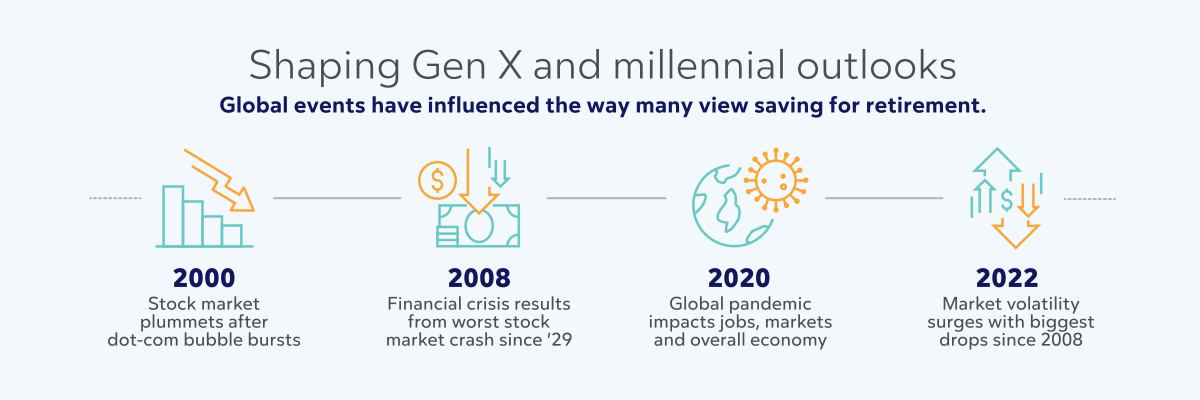
First, let’s understand the new landscape
Retirement goals and financial needs for the new retirement generation are changing:
Key tactics to adapt to the evolving landscape
Because these generations can make retirement more personal, it’s important to help ensure their planning aligns with their unique lifestyle goals.7
Focus on client personalization
Help encourage clients to consider their lifestyle and long-term goals in retirement planning. Showing clients you understand their unique journeys can help build trust. Listen closely to their concerns and provide reassurance through proactive communication. You may also consider tools like personalized projections, scenario planning, video and interactive resources to help clients visualize their retirement and gain a solid footing.
Discuss effective saving strategies and ways to maximize savings potential
It’s important to understand each client’s current financial situation. Determining a client’s retirement readiness can help identify a savings gap that may have a lasting impact. Consider retirement account contribution opportunities,8 particularly for clients nearing retirement. Annuities, with guaranteed income, can play a pivotal role in expanding savings, particularly given longer life expectancies. Many from younger generations may choose to work beyond traditional retirement age to compensate for savings shortfalls. Discuss options like catch-up contributions and Health Savings Account (HSA) contributions, which can offer tax advantages and additional growth opportunities.
Discuss managing market volatility and investment risk
Discuss approaches to managing market fluctuations by locking in gains during market highs and protecting assets when markets dip. This approach can be particularly beneficial for those concerned about volatility. Walk clients through sustainable options and explore strategies for helping shield a portion of their retirement savings from market downturns with, for example, the guaranteed income of a fixed indexed annuity.
Financial professionals can play a key role in helping these generations navigate retirement. Take a proactive approach to helping guide Gen Xers and millennials toward the new retirement.
Download our white paper, Solving the Annuity Puzzle for New Generations of Consumers, for behavioral science-backed strategies to reach them.
Insights on Athene Connect. Tips, tools and resources to grow your business by helping clients retire with confidence.
