Read Time:
5-minute
article
Multigenerational retirement planning for the sandwich generation
This content is categorized as:
Those who find themselves in the sandwich generation tackle a financial balancing act unlike anything they’ve experienced before. They’re supporting aging parents while helping their own children — many of them adults — navigate education costs, rising living expenses and career challenges.
Nearly one in four U.S. adults now falls into the sandwich generation1. Many are helping aging parents with medical decisions and daily expenses while managing tuition, contributing to rent and providing financial guidance for their kids. The squeeze they face is real — emotionally and financially. That’s why multigenerational retirement planning is so important.
If you’re already having family conversations around money and estate planning with your parents and children, you’re off to a great start. Such multigeneration planning is a long-term journey that helps protect everyone’s future and helps prevent burnout for those sandwiched in the middle. If you haven’t started these conversations, you’re not alone. But the best time to begin is now. Financial professionals can help guide more in-depth discussions and offer financial tools that add stability and flexibility across your family makeup.
Open a larger conversation
It’s not easy to discuss money across generations. But it’s one of the most powerful steps a family can take. The earlier these conversations begin, the more options you may have as you plan together. Here are some tips:
Talking with parents.
Start by discussing their estate plans, long-term care wishes and current income sources such as investments, Social Security, pensions, savings or annuities they already own. Building an understanding of what your parents want and are prepared for can help prevent confusion later.
Talking with adult children.
These conversations look different, but they’re just as essential. Be honest about how much financial support you‘ll be able to provide. Help them think through their own financial foundations and personal budget. It’s never too early for them to contribute to retirement accounts or start building emergency savings. These conversations help empower the next generation to take control and be more prepared when they’re caring for family members.
Avoiding or delaying these conversations is common, especially when one family member is shouldering most of the responsibility. But the open dialogue sets the stage for shared planning and preparation for increasing costs. Taking a step back to understand the full picture across your family’s finances, including everyone’s goals, helps reveal what’s working and what needs to be adjusted.
With healthcare, housing and daily expenses continuing to climb, many families are feeling financial pressure: 73% of U.S. adults say they’re worried about inflation2, although nearly half expect their finances to improve.
Assess your family’s whole picture
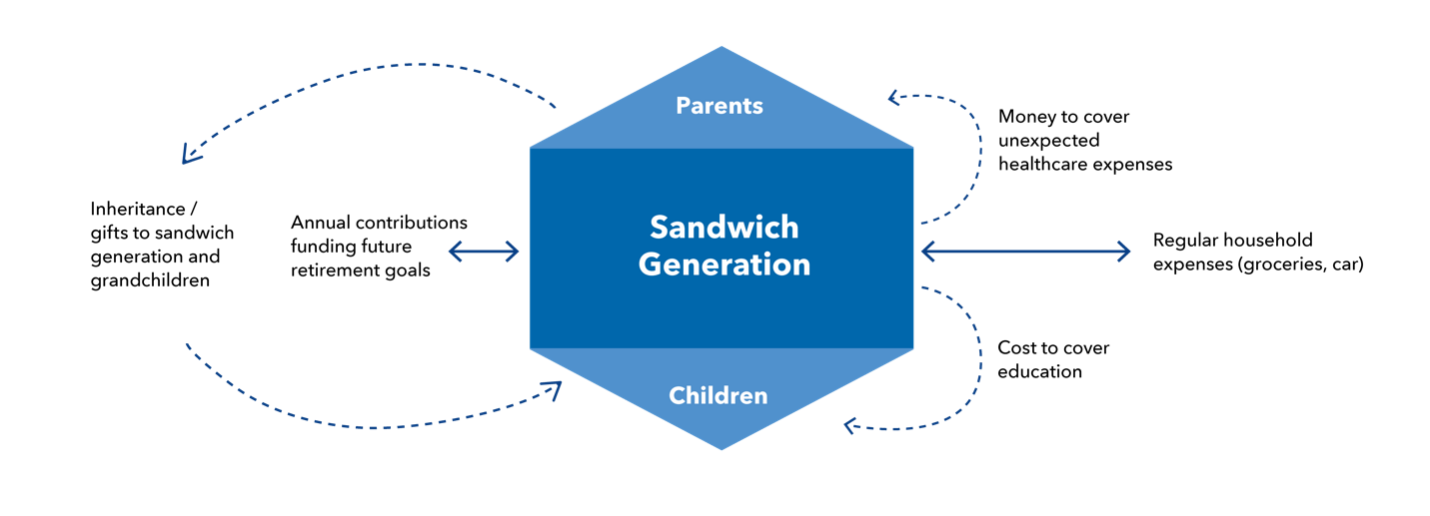
Now that you started having open conversations, the next step is understanding the financial landscape of each generation. Think of this as a snapshot of income, expenses, assets and future needs. Here are three key steps:
1. Consider finances across generations
Gather a simple overview: your parents’ income sources, your own savings and retirement plans, and any financial needs or obligations your adult children may have.
2. Factor in the big-picture costs.
Each family member brings different priorities.
- Aging parents: Healthcare, long-term care preferences, daily living costs, goals and their available resources.
- Adult children: Education costs, early-career moves and whether they’re building savings or retirement accounts.
- Your own retirement: Your future is part of the equation too, so this should be a priority no matter your age.
- How money flows between generations: Understanding how (and how often) money moves within the family helps you set limits and plan realistically.
3. Map it out.
A financial professional can help you create a map of this entire picture. They can identify blind spots, recommend ways to diversify income, explain tax implications and help you see how all the pieces connect.
Prioritize your own retirement
Even when you’re focusing on understanding your parents’ and children’s needs, your own retirement should remain a key part of the foundation. Protecting your financial future is one of the most meaningful ways you can support your family in the long term. Lacking a solid retirement plan can create a cycle of financial strain that impacts your children.
Strengthen your retirement income with consistent contributions across your retirement accounts. Diversify where and how you save and consider tools like annuities. They can convert part of your savings into guaranteed lifetime income with stability regardless of ups and downs in the market. They’re a tool to help protect you from outliving your savings.
Build a financial safety net
Your emergency savings and insurance coverage can help prepare for unexpected costs. Being ready for the inevitable surprises can help ensure your retirement plan stays intact and your ability to support your family doesn’t jeopardize your long-term finances.
Create a family financial plan (and keep it up to date)
Once everyone understands the big picture, turn it into action. Collaborate on a clear family plan to balance priorities while keeping any decisions aligned to everyone’s goals. Use this to guide the next steps you may consider taking—as a family and when working with a financial professional.
1. Develop shared goals:
- Long-term care plans for parents
- Education or housing money for adult children
- Estate or inheritance plans
- Legacy or philanthropic goals
2. Agree on roles and responsibilities:
Decide who handles bill payments and monitors investments. Being clear on roles prevents confusion and helps avoid burnout for those who typically shoulder the responsibility.
3. Set milestones:
Break up your goals into manageable steps. Then keep track of progress and celebrate financial wins together to keep everyone motivated.
4. Schedule regular family financial check-ins:
Hold these once or twice a year. You can encourage questions, review updates and adjust priorities as needed. Many families benefit from involving a financial professional to help guide these conversations.
5. Take advantage of helpful tools:
Consider a shared spreadsheet or planning document or check out online budgeting apps to keep everyone aligned and in the know.
6. Plan for the unexpected:
This may be healthcare needs, a job loss or early retirement. Without much warning, priorities can shift across families. Having the flexibility built into the plan helps protect everyone.
7. Review tax strategies:
Discuss as a family the tax implications of gifting, inheritance or income withdrawals. A financial professional or tax expert can help answer questions and ease any tax burdens across your family.
Building strength across generations
Multigenerational planning is a key to helping build a stronger financial future and peace of mind for you, your parents and your children. Though it can feel overwhelming, remember you don’t have to tackle everything at once. Having one conversation and reaching one shared goal can motivate your whole family to keep taking steps toward a secure financial plan.
A financial professional can help you explore strategies, including annuities, that can support your family’s long-term financial independence.
Want the most from your retirement? Get smarter with Smart Strategies from Athene. Your source for tips, tools and financial solutions that can help you live your best life.
1 Pew Research, 2022, More than half of Americans
2 AARP, 2025, Overall sense of financial security
